
|
|
|
|
Contribution of NGOs in Socio-Economic Development of Srinagar District
Bazila Shameem 1 , Rajvinder Kaur 2
 , Lakhshman Kothapeta 3
1 School
of Humanities, Lovely Professional University, Phagwara Punjab, India
2 Assistant
Professor, PT JLN Government College, Faridabad, Haryana, India
3 Associate Professor, Head, Department of Politics and Governance,
Central University of Kashmir, Ganderbal, Jammu and Kashmir, India
|
|
|
ABSTRACT |
|
|
Volunteering
has been in practice since the advent of human civilization. Thousands and
lakhs of volunteers worldwide aid people during natural disasters, famines,
and conflicts. They come together to form organizations known as "Civil
society organizations," which is an umbrella term and includes all
voluntary, not-for-profit organizations such as trade unions, Non-Government Organisations (NGOs), Faith-based organizations (FBOs),
or Voluntary Organizations (VOs). This paper examines the role of non-governmental
organizations (NGOs) in socio-economic development in the Srinagar district
of Jammu and Kashmir. The primary focus of this study is on investigating
various initiatives undertaken by NGOs in the areas of health, women
empowerment, education, income generation, skill development, and
livelihoods, their role in the socio-economic development of the local
communities through these initiatives, and identification challenges faced by
NGOs in terms of funding, transparency, and governance. |
|||
|
Received 20 October 2025 Accepted 23 November 2025 Published 20 December 2025 Corresponding Author Bazila
Shameem bazilahassan31@gmail.com
DOI 10.29121/Shodhgyan.v3.i2.2025.73 Funding: This research
received no specific grant from any funding agency in the public, commercial,
or not-for-profit sectors. Copyright: © 2025 The
Author(s). This work is licensed under a Creative Commons
Attribution 4.0 International License. With the
license CC-BY, authors retain the copyright, allowing anyone to download,
reuse, re-print, modify, distribute, and/or copy their contribution. The work
must be properly attributed to its author.
|
|||
|
Keywords: Jammu
and Kashmir, Socio-Economic Development, Non-Governmental Organisations,
Volunteering, FCRA |
|||



1. INTRODUCTION
Nestled in the Himalayas, the picturesque and scenic valley of Kashmir, whose inhabitants are mostly Muslims with a minority of Hindus and Sikhs, has witnessed decades of conflict and continues to be listed as a conflict zone by the United Nations (UN) for up to seven decades Khan et al. (2022). For about twenty years, the conflict typically involved Pakistan and India on an interstate level; however, in 1988, militants from Kashmir launched a liberation campaign. The liberation war between the Indian army and Kashmiri militants spiralled into a series of conflicts with the civilian population trapped in the fighting, resulting in a total of around 20000 killings and 4000 disappearances till 2004 Jong et al. (2008). During the peak of the militancy, food and other supplies were disrupted, curfews were frequently enforced, offices started to close, and the tourism and other businesses that Kashmir had flourished upon started to suffer; life came to a standstill Suri (2004). The ongoing pattern of violence persisted over several decades, resulting in numerous individuals becoming widowed, unemployed, orphaned, physically impaired, impoverished, and vulnerable. This transformed what was once considered a “heaven on earth” Vallis (2020) into a place that resembled hell. It was only during the 1990s that the need for external aid was felt for the first time, and that is when both national and international Non-Governmental Organisations (NGOs) began to proliferate in Kashmir. The surge in violence, the shutdown of businesses, and the decline in the tourism industry created a need for NGOs to address the growing number of victims Suri (2004). The turmoil severely impacted various sectors in the valley, particularly academic institutions. Responding swiftly, NGOs primarily focused on delivering educational assistance. Certain international NGOs dedicated to children's issues in Kashmir, for instance, acted promptly to provide support in the form of raw materials for educational purposes, such as blackboards, mats, and textbooks. Moreover, among the NGOs presently active in Kashmir, orphanages stand out as having the most significant impact and showing remarkable generosity. The impact of militancy and unrest in Kashmir is particularly harsh on children, often termed “children of conflict” Barad (2012), rendering them orphaned, under huge mental trauma, and homeless. A report titled “Neglected Orphans of Jammu and Kashmir,” released in December 2011 in the Human Rights section of Kashmir Watch, suggests that the region is home to around 600,000 orphaned children Lone and Ganesan (2016). Unfortunately, most orphanages can only accommodate around 100–120 children. An unacceptably high number of youngsters remain without proper care. While the government has established a few orphanages, most of them are in deplorable conditions, leading many to believe that keeping a child out of such homes might be the better option. Consequently, NGOs emerged in greater numbers in Kashmir after 1989. As highlighted in the 2003 “Planning Commission Report on Jammu and Kashmir”, the surge in NGOs in Kashmir reflects a concerted effort to address the region’s challenges and promote peace. Notably, a substantial proportion of these NGOs have received support from the government, indicating a collaborative approach toward restoring stability in the valley.
Civil society organizations (CSOs) worldwide share common objectives centered around human welfare and peace. NGOs, being a pivotal component of civil society, possess the capability to play a crucial role in conflict resolution and the revitalization of civil society. They contribute to the collective efforts to create a more stable and harmonious environment in the region Schloms (2003) and assist in forming cohesive local infrastructures or peace constituencies made up of members of various facets of civil society whose actions are based on long-term commitment and whose goal is to achieve sustainable peace. NGOs are known for their sympathetic and compassionate approach, which makes them unique, especially in world conflict zones such as Syria, Yemen, Iraq, Afghanistan, and Kashmir Golan and Salem (2013). They are now becoming a natural phenomenon occurring throughout the world; whether it is a developed or a third-world country, NGOs are visible everywhere. The new public management era is solely dedicated to Liberalization, Privatization, and Globalization, with Civil Society Organizations at the center of the developmental process Brown et al. (2000). NGOs survive on foreign and local donations to further their agenda of the developmental process. Notably, international bodies like the UN and World Bank find NGOs valuable partners in the broader spectrum of developmental activities. This recognition underscores the significance of NGOs in contributing to the peace-building process.
The emergence of the NGO sector in Kashmir, particularly during the 1990s peace-building initiatives, aligns with the collaborative approach advocated by international agencies. As primary responders during a tumultuous period, these NGOs played a crucial role by providing refuge to victims of violence Human Rights Watch. (1999). Global agencies acknowledgment and support further solidify NGOs' pivotal role in local and international efforts to address conflict, promote development, and enhance overall well-being in regions like Kashmir.
The escalating conflict and insurgency in the valley of Kashmir resulted in severe human rights abuses by Indian security personnel, including incidents such as the mass rape in the twin villages of Kunan Poshpora Hindustan Times (2016), torture, and extrajudicial killings. NGOs have emerged as a source of hope for the people in this conflict zone. Operating without vested interests, these organizations closely engage with communities, offering encouragement and empowerment while instilling hope for a better future. By shedding light on the profound impact of the conflict in Kashmir through reports that garnered media attention, NGOs elevated the discussion of the Kashmir conflict to international platforms. However, intervening in the peace process in Kashmir proved challenging for international NGOs (INGOs) Manuel (n.d.), Walpot (2019), as they faced cumbersome formalities and required permissions to operate in the valley. Despite these obstacles, INGOs collaborated with local and national NGOs, working at the grassroots level in Kashmir—the efforts of NGOs extended beyond conflict prevention to addressing and improving the socio-economic status of the people.
Our paper primarily focuses on NGO’s role in Kashmir’s socio-economic development, particularly in the Srinagar district. The progression of the paper is outlined as follows. Firstly, we conduct a literature review on the role of NGOs in socio-economic development, providing a theoretical background to our study. Subsequently, we outline the broad objectives and methodology employed for this study. Finally, we present the findings of the study under different headings. All the subject matter has been organized under appropriate themes, tables, and figures in a systematic order.
2. Theorizing Socio-Economic Development
Being poor is more than just not having enough money to maintain a reputable standard of living or being financially unstable. Social exclusion, lack of participation in decision-making, access to healthcare and basic sanitary facilities, and starvation are only a few of the many issues that are linked to poverty Shrider et al. (2021). The governments of 117 nations signed the “Copenhagen Declaration of the World Summit” for Social Development, which defined absolute poverty as “a condition characterized by severe deprivation of basic human needs, including food, safe drinking water, sanitation facilities, health, shelter, education, and information. It also depends on social service accessibility and income” Spicker (2020).
Poverty extremely affects diverse groups of people. Even with remarkable economic growth and noteworthy improvements in the quality of life for the poor and disadvantaged, the United Nations (UN)'s 2020 World Social Report highlights the massive disparities both within and across nations. The report also emphasizes how socio-economic status, origin, race, and gender significantly impact a particular individual's opportunities in life. Governments play a vital role in fostering equality in societies by protection of the weak and ensuring that the benefits are distributed uniformly among all sections in an unbiased manner. However, the choices made by other countries have a huge impact on domestic policymaking in the era of globalization. Today, more than 70% of the world’s total population lives in countries where economic inequality has increased over the preceding three decades Pieterse (2002).
Social inequality, including inequalities based on gender, age, race, immigration status, and physical handicap, is prevalent in both developed and developing countries. In the case of developing countries such as India, which on the one hand is the fastest developing nation in the world and on the other hand, inequality has been severely increasing, especially in the preceding thirty years Deaton and Dreze (2002). The money made by crony capitalism and legacy has mostly been taken by the wealthiest people, who are amassing wealth faster. On the other hand, the disadvantaged continue to fight to access basic healthcare and education due to minimal wages provided to them for their hard work. The most affected groups of the population by these growing gaps and inequalities are women and children. According to WID (World Inequality Database) data, the share of wealth held by the top 10% and top 1% has steadily climbed since 1981, while the share held by the bottom 50% has steadily decreased. From various reports, it can be inferred that vulnerability, illiteracy, poverty, and unemployment can be found more in India than in any other part of the world.
The concept of “social exclusion," introduced by Red Lenoir of France in the 1970s but gaining widespread recognition in the 1980s, denotes denying individuals or groups full access to rights, resources, and opportunities regularly available to others. This exclusion can manifest across various domains, such as housing, healthcare, education, employment, and political participation. It results in a social rupture, barring excluded community members from engaging in societal activities and decision-making processes Byrne (2005). Consequently, social exclusion impedes their contribution to society's socio-economic and political fabric, often leading to advocacy efforts, protests, and demonstrations Sen (2000).
To combat social exclusion, policies promoting social inclusion have been successful in various regions, such as providing free school lunches, abolishing tuition fees, and offering free healthcare. Engaging excluded groups in decision-making processes related to community affairs, education, and language choice can yield long-term benefits, including increased learning outcomes and economic empowerment. Civil Society Organizations (CSOs), including religious institutions and non-profit organizations, play a crucial role in advocating for the rights of marginalized populations and facilitating their access to services. Additionally, they enhance representation and participation in local, national, and international decision-making processes. For instance, the Self-Employed Women’s Association in India has significantly improved women's lives in the informal sector through direct services like primary healthcare and advocacy for policy reforms.
The Vulnerability theory, pioneered by Martha Fineman, asserts that vulnerability is inherent in the human experience, and governments must ensure equal access to societal resources Fineman (2020). This theory underscores the state’s responsibility for the effects and functioning of societal institutions, particularly in safeguarding vulnerable populations such as the elderly. Collaborative efforts between government and non-state actors are essential to addressing vulnerabilities and providing a decent standard of living for all members of society Fineman (2013).
In addition to territoriality, governance challenges, and methods also define the character of a state. In formal terms, governance refers to "the processes of social organization through which actors engage in rulemaking and implementation." Collaboration, by contrast, involves "the process by which organizations with a shared interest in resolving an issue work together to achieve common goals that they could not accomplish independently" Sink (1998). Collaborative governance is a method in which more than one organization takes an active part and includes non-state stakeholders in a consensus-oriented and mutual decision-making process with the main aim of framing or executing public policy Ansell et al. (2020). Behaviourally, the state should be the sole decision-making authority and carry them out autonomously, without seeking any external help, i.e., in theory, a state alone should decide on the allocation and administration of services in society Bianchi et al. (2021). However, according to empirical evidence, as problems get more complicated, public, commercial, and not-for-profit networks are increasingly spreading in industrialized countries to replace markets and hierarchies. NGOs can affect how healthy governments function in public administration when NGOs and governments collaborate Arantes et al. (2020).
Government agencies are requesting contributions from all civil society actors in the development process and awareness so that they may serve the community better. Government departments and individuals have learned new innovativeness from NGOs and have started to imitate the strategies NGOs have used effectively over the years Lewis et al. (2020). The World Bank boosted the proportion of its plans and projects, including civil society organizations (CSOs), especially NGOs, from 21% to 72% from the years 1990 and 2006 and to 81% by 2008 World Bank. (2008). This increase reflects the bank’s confidence in NGOs. To increase their democratic, responsible, and transparent nature, the bank emphasizes NGOs' role in delivering public services. The existence of NGOs also conveys to impoverished, rural people—who have high aspirations but few concrete hopes from the government—that they have someone who cares about them outside of their village, which boosts their optimism about the future and, consequently, their support for it. Similarly, Fineman's theory of vulnerability focuses on the collaboration of both government and non-state actors for the safety, security, and upliftment of vulnerable communities. In this background, this study aims to explore the initiative taken by NGOs for the socio-economic development of the poor and vulnerable, analyzing their role and the challenges they face while operating in Kashmir.
In summary, these theories provide a comprehensive framework for understanding the role of NGOs in socio-economic development, highlighting the importance of collaboration, inclusivity, and accountability in addressing complex societal challenges.
3. Transformative Role of NGOs in Fostering Socio-economic Development in India
Over the past few decades, the non-governmental organization (NGO) sector, often referred to as the “third sector” Hemment (2004), has emerged as a vital force in the landscape of nation-building in India. Demonstrating their indispensability, NGOs have proliferated across various domains, including environmental conservation, economic development, and other pivotal sectors like healthcare and education Hasnain (2013), Roy et al. (2017), Razvi and Roth (2010). As intermediaries between the government and the populace, NGOs play a pivotal role in extending their reach to the farthest corners of a country, ensuring the effective implementation of schemes and projects. Moreover, they play a crucial role in creating awareness among vulnerable communities about the benefits available through both NGOs and government initiatives. Their contributions extend beyond immediate aid, actively participating in socio-economic development through initiatives that transcend geographic and demographic boundaries Choto et al. (2020). By acting as advocates for the impoverished and marginalized, NGOs provide essential support through food, shelter, and access to clean drinking water. Engaging directly with communities at the grassroots level, these organizations conduct comprehensive research to understand societal needs and demands, tailoring their assistance to benefit the intended recipients.
In India, NGOs have visibly established their presence across diverse sectors, collaboratively working with the government to propel the socio-economic advancement of every individual in the nation. The ensuing discussion sheds light on their multifaceted contributions to the holistic development of society.
4. NGOs in Kashmir- An Exploration
The 1990s in the Kashmir Valley is often referred to as a period of unrest and instability due to the outbreak of armed conflict. This conflict stemmed from grievances over alleged atrocities committed by Indian armed forces Bose (2005). In response to this insurgency, Indian security forces employed harsh tactics, leading to severe human rights abuses. Attacks on armed insurgents or locally called as militants were carried out which led to the killing of a huge number of civilians Human Rights Watch. (1999). Normal life in Kashmir was severely disrupted by frequent curfews, violence, and protests, perpetuating a cycle of turmoil that left many individuals widowed, orphaned, disabled, impoverished, and vulnerable Dar and Deb (2020). The role of NGOs, initially confined to charitable endeavours, underwent a transformation towards becoming rights-based and humanitarian institutions. Their numbers surged dramatically, with NGOs emerging across various sectors in Kashmir, including health, education, and human rights advocacy. These organizations served as beacons of hope, providing support to the populace and serving as a unifying force amidst the region’s strife. They played a crucial role in uplifting the people of Kashmir, particularly those who had been shattered and marginalized by the ongoing violence.
NGOs are prominently present across every district and sector in Kashmir today. Much like their counterparts in India and worldwide, Kashmiri NGOs focus on addressing issues such as poverty, education, healthcare, relief and rehabilitation, support for orphans, widows, and women empowerment, as well as skill development initiatives. However, the distribution of NGOs in Kashmir is uneven, with a notably higher concentration in district Srinagar compared to rural areas or other districts. Many NGOs based in Srinagar operate exclusively within the district or have their headquarters there while also implementing projects in rural regions Suri (2004). Among the well-known local NGOs in Kashmir are Athrout, Chinar Kashmir, SRO Batamaloo, Koshish Kashmir, and Help Foundation. Additionally, several international NGOs collaborate with the government of Jammu and Kashmir and local NGOs, including Save the Children, Red Cross, World Vision, and Médecins Sans Frontières.
Table 1
|
Table 1 Range of NGO Activity in Kashmir |
|||
|
Healthcare and education |
Social |
Economic |
Environment |
|
Free quality education to marginalised and poor |
Rehabilitation of victims of conflict/Peace-building |
Sustainable Livelihood projects |
Plantation drives |
|
Structured training program for teachers |
Women empowerment/Child protection |
Formation of self-help groups |
Sanitation and safe drinking water |
|
Mental health |
Philanthropy |
Skill Development Programs |
Climate change and environment conservation awareness |
|
Awareness programs: AIDS/Drug addiction/Covid19 |
Drug de-addiction programs and rehabilitation |
Social entrepreneurship development |
Disaster response and rescue |
|
Free Medical check-up camps |
Mass marriages |
||
|
Source Fieldwork |
|||
An outline of the present position of NGOs in Kashmir shows that they are active in almost all the social and economic fields of the state. Among the NGOs currently working in Kashmir, the work done by orphanages such as JandK Yateem Trust is quite laudable. As the number of orphans grew in huge numbers during the insurgency period of the 1990s or the devastating earthquake of October 2005, these NGOs tried to reach out to maximum people and assist them in any way possible. Even during the 2014 floods, volunteers of NGOs such as Help Foundation, CHINAR Kashmir, etc., came out and distributed food, shelter, and other items of necessity to the flood victims; these NGOs around hospitals set up relief camps to help patients in need of medicine and other amenities. There are some environmental NGOs currently active in the valley. They work mainly around major environmental concerns such as shrinking Dal Lake, degradation of other water bodies such as Wular Lake, proper waste management system, and other ecological problems.
5. Methodology
The primary focus of this study revolves around a set of predetermined objectives, carefully outlined to delineate the research goals and articulate the intended approach. Firstly, the study aims to comprehensively analyze the pivotal role played by Non-Governmental Organizations (NGOs) in fostering socio-economic development. Subsequently, the research seeks to undertake an in-depth assessment of the challenges faced by NGOs operating within the specific context of the Srinagar district. Recognizing the critical nature of these challenges, the study endeavors to shed light on potential impediments to the effective functioning of NGOs in the region. Finally, with a forward-looking perspective, the research proposes substantial and concrete developmental measures that can significantly enhance the operational efficacy of NGOs, thereby contributing to a more robust and impactful socio-economic development landscape in the Srinagar district.
Against this backdrop, this study examines the involvement of NGOs in the socio-economic development of the Srinagar district within the context of the broader Kashmir division. Due to logistical constraints, the research is confined to the Srinagar district, specifically targeting four tehsils—Srinagar North, Khanyar, Central Shalteng, and Pantha Chowk. The administrative structure of Srinagar district is comprised of seven tehsils in total. According to the 2011 census, the district's population was 1,219,516, with a literacy rate of approximately 71%. To achieve the research objectives comprehensively, 20 NGOs were selected based on their operational capacity and feasibility, and 100 staff members from these NGOs were selected.
Additionally, 300 beneficiaries were selected using the Convenience sampling method from the selected four tehsils. The qualitative analysis involved 10 key respondents. Overall, the study involves a sample size of 410 respondents.
The quantitative aspect of this study constituted a significant portion, leading us to utilize questionnaires as the primary means of data collection predominantly. Two distinct questionnaires were meticulously crafted to gather information from NGO beneficiaries and staff members once the primary data was compiled from interpretation across various themes.
In addition to primary data, secondary data sources were utilized to strengthen the research. These sources included NGO reports and publications, government databases, and academic resources at the SPS Library Srinagar. Moreover, relevant data and reports were collected from credible online sources to provide a more robust framework for analysis. Narratives from key respondents have been incorporated and organized under different thematic categories to provide a deeper understanding of the study's findings.
6. Findings
Srinagar district, designated as an urban area, presents challenges and intricacies inherent to urban environments, impacting the operational landscape of NGOs Wani (2023). The study delves into the developmental endeavors initiated by NGOs in the Srinagar district, highlighting their evolution from mere charity-focused entities to active participants in safeguarding human rights, fostering peace, and driving socio-economic development. The selected NGOs for this research exhibited diversity in their vision and mission yet shared a unified objective of uplifting marginalized and disadvantaged communities within Srinagar. This section systematically examines the research findings, presenting the collected narratives categorized under relevant themes.
This study presents an integrated analysis of responses from both NGOs and beneficiaries to provide a comprehensive understanding of the impact of developmental initiatives undertaken by NGOs in the Srinagar district. The findings reveal that NGOs have been actively involved in various developmental projects, mainly improving school infrastructure. Memorandums of Understanding (MoUs) have been signed between the government and NGOs to support schools by providing teaching and non-teaching staff, organizing awareness camps, and conducting training and workshops. Notable collaborations include UNICEF, Chinar International, Save the Children, Jammu and Kashmir Association of Social Workers (JKASW), and Pratham, working at state and district levels to ensure quality education in Srinagar.
In an interview, Farah Deeba, a project coordinator (name changed) from an international NGO, highlighted the challenges faced by vulnerable children in Srinagar, especially those from Dal-dwelling communities. She noted that these children are at significant risk of social issues such as drug abuse and related crimes at an early age. The NGO has initiated education projects like Peace Education and the Peace Project in areas such as Handum Mohalla, Fakir Gujri, Astanmarg, and Theed Harwan to address these concerns. These initiatives aim to create safe teaching and learning environments, promote a culture of peace, and strengthen child protection mechanisms. By mobilizing communities and encouraging school enrolment, the NGO seeks to ensure regular attendance and a secure educational framework for these children Interview (2022).
The study also found that NGOs often take the initiative to identify communities in need rather than waiting for schools or local groups to approach them. This proactive approach involves analyzing reports from local NGOs, philanthropic volunteers, government agencies, and media coverage highlighting the struggles of disadvantaged communities. Once identified, beneficiaries are registered with NGOs following a rigorous verification process. International organizations like Médecins Sans Frontières (MSF), World Vision, and ActionAid collaborate with local groups such as JKASW to implement targeted developmental projects. For instance, a local NGO reported that its partnership with an international organization has successfully facilitated quality education for 7,521 students.
Additionally, the data analysis underscores NGOs' significant role in mobilizing children for school enrolment and encouraging teachers to adopt innovative teaching methods that make learning more engaging. Workshops and training sessions, often conducted with active community participation, have proven effective in raising awareness about the importance of education in these regions.
Table 2
|
Table 2 Perception of Respondents Regarding Overall Quality of Education |
|||
|
S.
No. |
The
overall quality of education |
Frequency |
Percentage |
|
1 |
Strongly Disagree |
0 |
0% |
|
2 |
Disagree |
12 |
4.00% |
|
3 |
Neutral |
42 |
14.00% |
|
4 |
Agree |
225 |
75.00% |
|
5 |
Strongly Agree |
21 |
7.00% |
|
Total |
300 |
100% |
|
|
Source Fieldwork |
|||
Figure 1
|
Figure 1 Overall Quality of Education Source
Fieldwork |
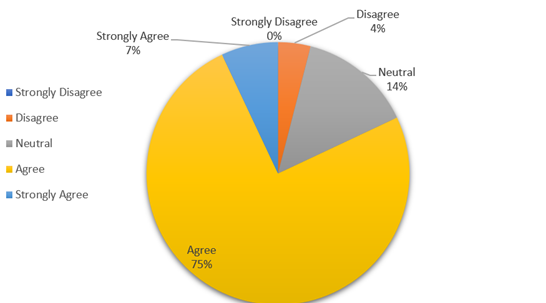
Non-governmental organizations are significantly contributing to the improvement of education quality. As shown in Table 2 and Figure 1, 75% of respondents agree, and 7% strongly agree that the involvement of NGOs has enhanced the quality of education in their areas. Additionally, 14% of respondents are neutral, while only 4% disagree with this statement. Based on these responses, NGOs play a vital role in improving the overall education quality and literacy rate in the study area.
7. The Role of NGOs in Strengthening Healthcare
Kashmir, a region long affected by conflict, has endured numerous lockdowns that have severely impacted health and economic stability Singh et al. (2021). In August 2019, the revocation of Jammu and Kashmir's special status through the abrogation of Article 370 led to curfews and a complete communication blackout Lalwani and Gayner (2020). These measures caused widespread hardship, exacerbating health crises, deepening poverty, and leaving residents struggling to survive. Just as the region began to recover from this lockdown in December 2019, the COVID-19 pandemic prompted another lockdown in March 2020 Connah (2021). This compounded the economic and social losses for the people of Kashmir, with healthcare workers facing immense challenges in delivering even essential medical services.
Dr. Shabir Ahmed (name changed), Chief Medical Officer at a local hospital, described the strain on healthcare workers during this period: “Our staff was overwhelmed by the unprecedented challenges posed by the COVID-19 pandemic. However, we managed to navigate these difficulties with the crucial support of NGOs. They provided essential supplies, including oxygen cylinders, ventilators, sanitizers, masks, PPE kits, and even facilitated quarantine facilities. Their tireless efforts and strict adherence to safety protocols were instrumental in overcoming these challenges” Interview (2022).
The COVID-19 pandemic highlighted the critical role of NGOs globally in addressing health crises Sayarifard et al. (2022). In India, NGOs have employed a bottom-up approach to governance, effectively enhancing social integration and contributing to the healthcare sector. This study reveals that local NGOs enjoy greater trust among residents in Jammu and Kashmir compared to external agencies or government bodies, especially in delivering healthcare services.
The NGOs in Kashmir have focused on preventive healthcare by organizing free medical and blood donation camps, promoting hygiene and sanitation, and addressing substance abuse through rehabilitation programs (Jabir and Choolayil, 2024). They also provide psychosocial support to mitigate mental health crises, offering counseling and empowerment through community engagement. By adopting innovative and community-centric approaches, these NGOs have significantly contributed to the well-being of the people during an exceptionally challenging period.
Table 3
|
Table 3 Perception of Respondents Regarding Overall Health Infrastructure |
|||
|
S.
No. |
Overall
health infrastructure |
Frequency |
Percentage |
|
1 |
Strongly Disagree |
0 |
0% |
|
2 |
Disagree |
15 |
5.00% |
|
3 |
Neutral |
38 |
12.70% |
|
4 |
Agree |
231 |
77.00% |
|
5 |
Strongly Agree |
16 |
5.30% |
|
Total |
300 |
100% |
|
|
Source Fieldwork |
|||
Figure 2
|
Figure 2 Overall Health Infrastructure Source Fieldwork |
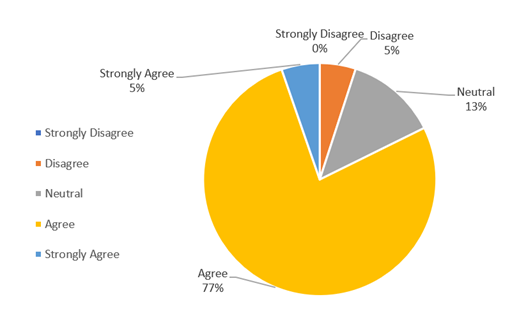
A robust healthcare system is crucial for a nation's socio-economic progress. The data indicates that 77% of respondents agreed, and 5% strongly agreed, that the intervention of NGOs has significantly improved healthcare infrastructure in their area. Meanwhile, 13% remained neutral, and only 5% disagreed with this assessment. These findings suggest that NGOs play an essential role in enhancing healthcare infrastructure in the study region, making them a key contributor to its development.
8. NGO and women's empowerment
The Constitution of India guarantees equal rights for men and women, yet the ground reality often tells a different story Dhingra (2022). Gender inequality persists across various sectors, with women frequently being viewed as the weaker gender and subjected to discrimination Kabeer (2021). To address these issues, the Indian government has recently launched multiple initiatives aimed at empowering women and tackling crimes such as domestic violence, rape, human trafficking, molestation, and harassment Sharma and Das (2021). NGOs have also played a pivotal role in advancing women’s empowerment by establishing self-help groups (SHGs), providing microfinance support, conducting awareness programs, and initiating income-generating activities Kumar et al. (2021).
During the 1980s, two main types of NGOs emerged in India to support women. The first focused on addressing women’s struggles and providing welfare services like working women’s hostels, while the second actively advocated for women’s rights Gupta (2021). By the 2000s, the focus of these NGOs shifted towards offering material and financial assistance, such as microfinance and income-generating programs, to promote women’s self-reliance Al-Hakim et al. (2022).
This study analyzes the perceptions of both beneficiaries and NGO representatives regarding women’s empowerment in the study area. The findings highlight that NGOs have been instrumental in enhancing women’s skills, creating livelihood opportunities, raising awareness about the importance of education, and addressing the adverse effects of child marriage. They have also empowered women to understand their rights and stand against social abuses, including domestic violence and harassment. Additionally, NGOs have supported the formation of self-help groups and small business enterprises for women.
However, the study also reveals that NGOs face significant challenges in providing adequate social security measures and legal assistance to victims of domestic violence. Responses from beneficiaries and NGO staff varied on specific questions, reflecting diverse perspectives on the effectiveness of these interventions. Despite these challenges, the role of NGOs remains critical in fostering women's empowerment and addressing gender-based inequalities in the study area.
Table 4
|
Table 4 Perception of Respondents Regarding Self-Help Groups (SHGs) |
|||
|
S.
No. |
Skill
enhancement programs |
Frequency |
Percentage |
|
1 |
Strongly Disagree |
7 |
2.30% |
|
2 |
Disagree |
19 |
6.30% |
|
3 |
Neutral |
40 |
13.30% |
|
4 |
Agree |
210 |
70% |
|
5 |
Strongly Agree |
24 |
8% |
|
|
Total |
300 |
100% |
|
Source Fieldwork |
|||
Figure 3
|
Figure 3 Skill Enhancement Programs |
The Ministry of Skill Development in India conducts training programs and workshops to empower unemployed youth, particularly women, to become key contributors to the nation's socio-economic growth Pilz and Regel (2021). NGOs complement these efforts by working at the grassroots level, engaging directly with communities to implement government schemes, empowering women through self-help groups (SHGs), and offering skill development courses Bryan and Mendaglio (2020).
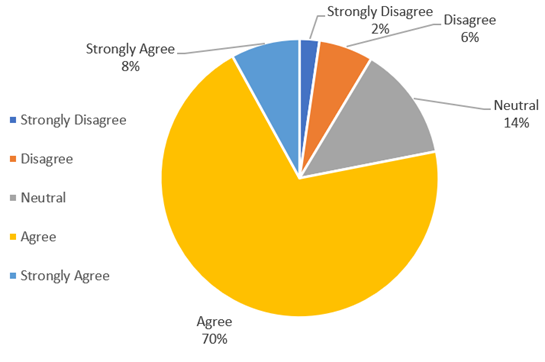
According to the data presented, 70% of respondents and 8% strongly agreed that NGOs contribute to creating livelihood opportunities by establishing SHGs and providing skill enhancement programs for women in their areas. Meanwhile, 14% of respondents were neutral, while 6% disagreed, and 2% strongly disagreed with the statement. These findings suggest that NGOs play a pivotal role in improving women's skills and enabling them to access sustainable livelihood opportunities in the study area.
9. NGO’s and Economic Development
Poverty and unemployment are pervasive issues across both rural and urban areas in India. Despite the Government of India's extensive programs and policies addressing these challenges through five-year plans, the benefits often fail to reach the intended populations due to the country's large population and other systemic obstacles Momin (2023). In recent years, Non-Governmental Organizations (NGOs) have emerged as vital contributors to the developmental process. At the grassroots level, NGOs mobilize resources, implement development projects, advocate for vulnerable communities, and raise awareness about government schemes and policies promoting sustainable development and self-sufficiency Fonseka and Malhotra (2020). Acting as intermediaries between the government and local communities, NGOs help bridge the gap by fostering trust and confidence, particularly in remote areas, making them increasingly crucial in developmental activities.
Gulzar et al. (2023) note the significant role of NGOs in promoting economic development, which is also evident in the active participation of NGOs in various sectors of economic development in Kashmir. Through an analysis of responses from beneficiaries and NGO staff, the study reveals that NGOs are significantly fostering entrepreneurship and self-employment opportunities for individuals from disadvantaged communities. This is achieved by offering skill development training and workshops. As Mr. Farooq Ahmed (name changed), the founder of a local NGO in Srinagar district, explained, “We implement livelihood projects in the disadvantaged communities of Srinagar, particularly in areas like Shalteng and Nowgam. Our NGO sponsors skill and entrepreneurship courses, encouraging youth to enroll and acquire technical expertise to improve their future employability.”
Table 5
|
Table 5 Perception of Respondents Regarding Overall Living Standard |
|||
|
S.
No. |
Overall
living standard |
Frequency |
Percentage |
|
1 |
Strongly Disagree |
6 |
2.00% |
|
2 |
Disagree |
22 |
7.30% |
|
3 |
Neutral |
74 |
24.70% |
|
4 |
Agree |
162 |
54.00% |
|
5 |
Strongly Agree |
36 |
12.00% |
|
Total |
300 |
100% |
|
|
Source Fieldwork |
|||
Figure 4
|
Figure 4 Overall Living Standard Source Fieldwork |
The data also highlights NGOs' limited contribution to providing raw materials and tools for youth seeking to establish small businesses. While NGOs are crucial for the region's economic development, they face many challenges like those encountered by government organizations. Despite these obstacles, NGOs continue to implement welfare measures that align with government initiatives, thus playing a key role in the broader economic development.
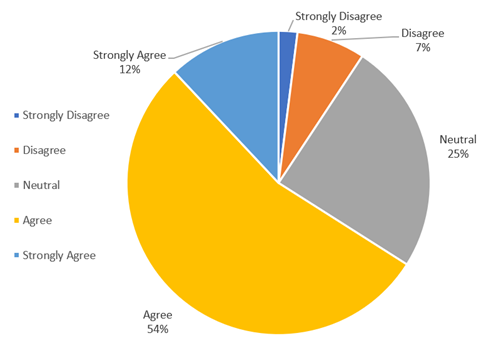
The data analysis indicates that, despite these challenges, NGOs have become vital to the lives of underprivileged communities, helping them lead dignified lives and earn sustainable livelihoods. In this context, the results from the survey show that 54% of respondents agreed, and 12% strongly agreed, that their overall living standards have improved since the intervention of NGOs in their area. Meanwhile, 25% remained neutral, while 7% disagreed and 2% strongly disagreed. These findings suggest that the involvement of NGOs has significantly enhanced the living standards of people in the study area.
10. Challenges Faced by NGOs in Kashmir:Government Scrutiny and Interference
The rapid increase in the number of NGOs in Kashmir, coupled with incidents of fraud and mismanagement of funds in some organizations, has led to increased and often unjustified scrutiny from the government Amnesty International. (2022) . This scrutiny sometimes results in the harassment of NGO staff. Irfan (name changed), an employee of a local NGO, explained, "Working as a local NGO in Kashmir is far more difficult than operating national or international NGOs. While external NGOs face less scrutiny, local ones are specifically targeted. Despite being a registered organization with all reports in order, our staff and volunteers faced police brutality while working in the field during the COVID-19 lockdown, even though the government had authorized NGO activities."
Table 6
|
Table 6 Perception of Respondents Regarding Reluctance of Government Staff to Cooperate |
|||
|
S.
No. |
Reluctant
to cooperate |
Frequency |
Percentage |
|
1 |
Strongly Disagree |
3 |
3% |
|
2 |
Disagree |
12 |
12% |
|
3 |
Neutral |
21 |
21% |
|
4 |
Agree |
41 |
41% |
|
5 |
Strongly Agree |
23 |
23% |
|
Total |
100 |
100% |
|
|
Source Fieldwork |
|||
Figure 5
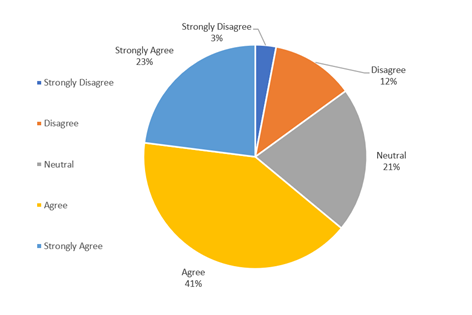
|
Figure 5 Reluctance to Cooperate Source
Fieldwork |
A persistent lack of trust between NGOs and the government significantly hampers NGO operations' effectiveness. According to data analysis, most NGO staff agreed that the government's approach towards them is negative, characterized by reluctance to cooperate and excessive scrutiny from government agencies. While NGOs have made efforts to collaborate with the government, especially during the COVID-19 pandemic, government organizations have not reciprocated similarly.
Government interference in NGO operations, mainly through stringent accountability measures, has led many NGOs to view such regulations as overly intrusive, undermining their autonomy United Nations (2012). Respondents strongly agreed that constant government interference reduced their performance, and they perceived the government as threatening their independence and peaceful functioning.
Excessive government scrutiny of NGO funding, mainly through regulations like the Foreign Contribution Regulation Act (FCRA) and the Foreign Exchange Management Act (FEMA), has posed significant challenges, especially for local NGOs in Kashmir Ghosh (2024). These measures are intended to prevent terror funding, misappropriation, and illegal financial transactions but have created obstacles for NGOs. Ms. Iram (name changed), an employee of a prominent NGO in Kashmir, shared: "Our NGO received funding from countries like Hungary, Austria, Australia, and primarily from Muslim nations like Qatar and Oman. However, since the abrogation of Article 370, we were completely prohibited from receiving any foreign donations. Since the Modi government came to power, most NGOs in Kashmir rely solely on local donations." Mr. Junaid (name changed), the founder of another local NGO, expressed similar concerns and noted that their operations were severely impacted following the 2019 lockdown and the subsequent restrictions on foreign funding.
FCRA registration is required for NGOs to receive foreign funds, ensuring transparency and accountability. However, critics argue that the Act is excessively restrictive, with VANI (Voluntary Action Network India) calling it a “death blow” to NGOs, as it stifles their work and infringes upon their autonomy Hukil (2022).
Additionally, the study found a significant lack of trust between NGOs and community members, exacerbated by a lack of awareness about NGO activities. This mistrust makes it difficult to build relationships during project implementation, with some minority communities feeling discriminated against by NGOs, leading to further conflicts. NGOs in Kashmir also face challenges such as inadequate funding, which, combined with growing community dependence and high expectations, makes it challenging to meet beneficiary demands, undermining their purpose. New organizations also struggle with the registration process, facing suspicion, harassment, and humiliation in government offices.
11. Discussion and Conclusion
NGOs are crucial in addressing the world’s most urgent issues, such as poverty, inequality, and climate change. Operating independently from governments, they rely on support from individuals, corporations, and other organizations to achieve their objectives. In conflict zones like Kashmir, NGOs must continually evolve and refine their operations to effectively tackle these challenges. Based on the findings of this study, the following suggestions are made to improve the effectiveness of NGOs in Kashmir:
12. Specialization and Focus
Each NGO should concentrate on a specific sector to avoid overstretching resources. Clear objectives, vision, mission statements, and well-defined policies are necessary to operate within legal and ethical frameworks. Conducting needs assessments through surveys can help prevent duplication of efforts.
13. Leveraging Technology
NGOs should use technology to enhance accessibility to their services. Social media platforms like Twitter, Facebook, and Instagram can raise awareness on issues such as drug abuse, sexual violence, and domestic violence. Establishing mechanisms for addressing grievances, including anonymous reporting systems, is also essential.
14. Transparency in Operations
Transparency is vital for maintaining public trust. NGOs should have websites that outline their activities, with clear information about funding and donations. However, sharing photos of beneficiaries on social media should be regulated to avoid ethical concerns.
15. Collaboration for Efficiency
Collaboration between government agencies and local, national, and international NGOs can help streamline resource allocation, maximize benefits, and reduce inefficiencies.
16. Regulating Inactive NGOs
NGOs that are inactive or unregistered should be banned or blacklisted to prevent corruption and misuse of funds. Active NGOs should be monitored to ensure accountability, but without compromising their independence, creating a supportive environment instead of a restrictive one.
17. Partnerships Between INGOs and Local NGOs
International NGOs (INGOs) should collaborate with local NGOs to identify underserved communities and implement development projects. INGOs can also provide training in disaster response, technical expertise, and rapid response measures.
18. Simplifying Registration and FCRA Processes
Simplifying the registration process and the Foreign Contribution Regulation Act (FCRA) procedures would facilitate receiving foreign donations without unnecessary bureaucratic obstacles.
19. Conclusion
The findings of this study highlight the significant impact of NGOs in transforming the socio-economic landscape of Kashmir, particularly in education, healthcare, and employment. By working alongside government institutions, NGOs help improve accessibility and inclusivity. This study is valuable for NGOs, government bodies, future researchers, international organizations in Kashmir, and other agencies involved in socio-economic development in conflict-affected regions. It contributes to the existing literature on the role of NGOs in socio-economic development, with a particular focus on conflict zones like Jammu and Kashmir, where human rights violations and widespread suffering are prevalent. Furthermore, the study recommends enhancing NGO effectiveness through innovation, collaboration, transparency, and accountability.
CONFLICT OF INTERESTS
None .
ACKNOWLEDGMENTS
None.
REFERENCES
Amnesty International. (2022, September). India: The Government Must End the Repression of Rights in Jammu and Kashmir.
Ansell, C., Doberstein, C., Henderson, H., Siddiki, S., and ’t Hart, P. (2020). Understanding Inclusion in Collaborative Governance: A Mixed Methods Approach. Policy and Society, 39(4), 570–591. https://doi.org/10.1080/14494035.2020.1785728
Arantes, V., Zou, C., and Che, Y. (2020). Coping with Waste: A Government–NGO Collaborative Governance Approach in Shanghai. Journal of Environmental Management, 259, Article 109653. https://doi.org/10.1016/j.jenvman.2020.109653
Barad, B. (2012). An Analysis of Self-Accounts of Children-in-Conflict-with-Law in Kashmir Concerning the Impact of Torture and Detention on their Lives. International Social Work, 55(5), 629–644. https://doi.org/10.1177/0020872812437222
Bianchi, C., Nasi, G., and Rivenbark, W. C. (2021). Implementing Collaborative Governance: Models, Experiences, and Challenges. Public Management Review, 23(11), 1581–1589. https://doi.org/10.1080/14719037.2020.1751254
Bose, S. (2005). Kashmir: Roots of Conflict, Paths to Peace. Harvard University Press. https://doi.org/10.4159/9780674028555
Brown, L. D., Khagram, S., Moore, M. H., and Frumkin, P. (2000). Globalization, NGOs and Multi-Sectoral Relations (SSRN Working Paper No. 253110). https://doi.org/10.2139/ssrn.253110
Bryan, V., and Mendaglio, S. (2020). Building Leadership Capacity in Women: An NGO Initiative Towards Women Members of SHGs in India. Development in Practice, 30(7), 839–849. https://doi.org/10.1080/09614524.2020.1798703
Byrne, D. (2005). Social Exclusion. McGraw-Hill Education.
Choto, P., Iwu, C. G., and Tengeh, R. K. (2020). Non-Profit Organizations and Socio-Economic Development in South Africa: A Literature Analysis. Humanities and Social Sciences Reviews, 8(1). https://doi.org/10.18510/hssr.2020.8143
Connah, L. (2021). Double Lockdown in Kashmir During the COVID-19 Pandemic. Peace Review, 33(1), 33–38. https://doi.org/10.1080/10402659.2020.1864774
Dar, A. A., and Deb, S. (2020). The Volatile Situation in Kashmir and Its Impact on the Mental Health of Common People. In Upholding justice (152–168). Routledge India. https://doi.org/10.4324/9780429324086-14
Deaton, A., and Dreze, J. (2002). Poverty and Inequality in India: A Re-Examination. Economic and Political Weekly, 37(29), 3729–3748.
Dhingra, A. (2022). Gender Discourses and the Making of the Indian Constitution. Indian Journal of Gender Studies, 29(1), 33–54. https://doi.org/10.1177/09715215211054110
Fineman, M. A. (2013). Equality, Autonomy, and the Vulnerable Subject in Law and Politics. In M. A. Fineman and A. Grear (Eds.), Vulnerability: Reflections on a New Ethical Foundation for Law and Politics (27–44). Routledge.
Fineman, M. A. (2020). Reasoning from the Body: Universal Vulnerability and Social Justice. In A Jurisprudence of the Body (17–34). Springer. https://doi.org/10.1007/978-3-030-42200-4_2
Fonseka, L., and Malhotra, D. D. (2020). India: Urban Poverty, Children and Participation. In Urban Children Distress (161–215). Routledge. https://doi.org/10.4324/9781003077237-4
Ghosh, S. (2024). NGOs to Face more Checks Along Foreign Funding Route. The Economic Times.
Golan, G., and Salem, W. (Eds.). (2013). Non-State Actors in the Middle East: Factors for Peace and Democracy. Routledge. https://doi.org/10.4324/9781315856605
Gupta, M. (2021). Role of NGOs in Women Empowerment: Case Studies from Uttarakhand, India. Journal of Enterprising Communities, 15(1), 26–41. https://doi.org/10.1108/JEC-06-2020-0101
Hasnain, S. S. (2013). The NGOs’ Knowledge and Socio-Economic Development: An Empirical Investigation in Bangladesh. Information and Knowledge Management, 3(4), 9–23.
Hemment, J. (2004). The Riddle of the Third Sector: Civil Society, International Aid, and NGOs in Russia. Anthropological Quarterly, 77(2), 215–241. https://doi.org/10.1353/anq.2004.0037
Hindustan Times. (2016, February 8). Kunan Poshpora: A Forgotten Mass-Rape Case of Two Kashmir villages.
Hukil, R. (2022). Exploring Core–Periphery Subjectivities: Transnational Advocacy Networks and Environmental Movements in India (Doctoral Dissertation, McMaster University).
Human Rights Watch. (1999). Behind the Kashmir conflict: Abuses by Indian security Forces and Militant Groups Continue.
Jabir, M., and Choolayil, A. C. (2024). Social Work with Populations Vulnerable to Neglected Tropical Diseases: Evidence and Insights from India. Springer. https://doi.org/10.1007/978-3-031-68997-0
Kabeer, N. (2021). Gender Equality, Inclusive Growth, and Labour Markets. In Women’s Economic Empowerment (13–48). Routledge. https://doi.org/10.4324/9781003141938-3
Khan, T. A., Mir, A. H., Farooqi, I., Mohsin, A., and Naik, A. B. (2022). Navigating the Risk: Understanding the Impact of Conflict on Kashmiri Children. In The Palgrave Handbook of Global Social Problems (1–27). Springer. https://doi.org/10.1007/978-3-030-68127-2_96-1
Kumar, N., Raghunathan, K., Arrieta, A., Jilani, A., and Pandey, S. (2021). The Power of the Collective Empowers Women: Evidence from Self-Help Groups in India. World Development, 146, Article 105579. https://doi.org/10.1016/j.worlddev.2021.105579
Lalwani, S. P., and Gayner, G. (2020). India’s Kashmir Conundrum: Before and After the Abrogation of Article 370. United States Institute of Peace.
Lewis, D., Kanji, N., and Themudo, N. S. (2020). Non-Governmental Organizations and Development. Routledge. https://doi.org/10.4324/9780429434518
Lone, M. A., and Ganesan, P. (2016). Health and Nutritional Status of Orphan Children Living in Orphanages in Jammu and Kashmir. International Journal of Indian Psychology, 3(2), 163–169. https://doi.org/10.25215/0302.191
Manuel, S. K. (n.d.). Human Rights NGOs
in Jammu and Kashmir: Role
and Functions.
Momin, U. (2023). NREGA: Catalyst for Fostering Inclusive Growth. International Journal for Multidimensional Research Perspectives, 1(4), 63–72.
Pieterse, J. N. (2002). Global Inequality: Bringing Politics Back in. Third World Quarterly, 23(6), 1023–1046. https://doi.org/10.1080/0143659022000036639
Pilz, M., and Regel, J. (2021). Vocational Education and Training in India. Margin: The Journal of Applied Economic Research, 15(1), 101–121. https://doi.org/10.1177/0973801020978148
Planning Commission. (2003). State Development Report: Jammu and Kashmir. Government of India.
Razvi, M., and Roth, G. (2010). NGOs and the Socio-Economic Development of Low-Income Women in India. Human Resource Development International, 13(1), 65–81. https://doi.org/10.1080/13678861003589061
Roy, I., Raquib, T. A., and Sarker, A. K. (2017). Contribution of NGOs to Socio-Economic Development in Bangladesh. Science Journal of Business and Management, 5(1), 1–8. https://doi.org/10.11648/j.sjbm.20170501.11
Schloms, M. (2003). Humanitarian NGOs in Peace Processes. International Peacekeeping, 10(1), 40–55. https://doi.org/10.1080/714002395
Sen, A. (2000). Social Exclusion: Concept, Application, and Scrutiny. Asian Development Bank.
Sharma, E., and Das, S. (2021). Integrated Model for Women Empowerment in Rural India. Journal of International Development, 33(3), 594–611. https://doi.org/10.1002/jid.3545
Singh, A. L., Jamal, S., and Ahmad, W. S. (2021). Impact of COVID-19 Lockdown on Tourism in Kashmir Valley. Research in Globalization, 3, Article 100053. https://doi.org/10.1016/j.resglo.2021.100053
Suri, A. (2004). NGOs in Kashmir: Agents of Peace and Development (IPCS Research Paper No. 2).
Vallis, C. J. (2020). Heaven on earth. Portal: Journal of Multidisciplinary International Studies, 17(1–2), 116–124. https://doi.org/10.5130/portal.v17i1-2.7254
Walpot, T. (2019). Analysing
the Impact of Conflict Transformation Projects on Peace and Security in
Kashmir.
Wani, A. A. (2023). Sustainable Urban Governance and the Role of Institutions: A Case Study of Srinagar City. Urban India, 43(2), 112–130.
World Bank. (2008). The Little Data Book 2008 (2nd ed.).
|
|
 This work is licensed under a: Creative Commons Attribution 4.0 International License
© ShodhGyan 2024. All Rights Reserved.